


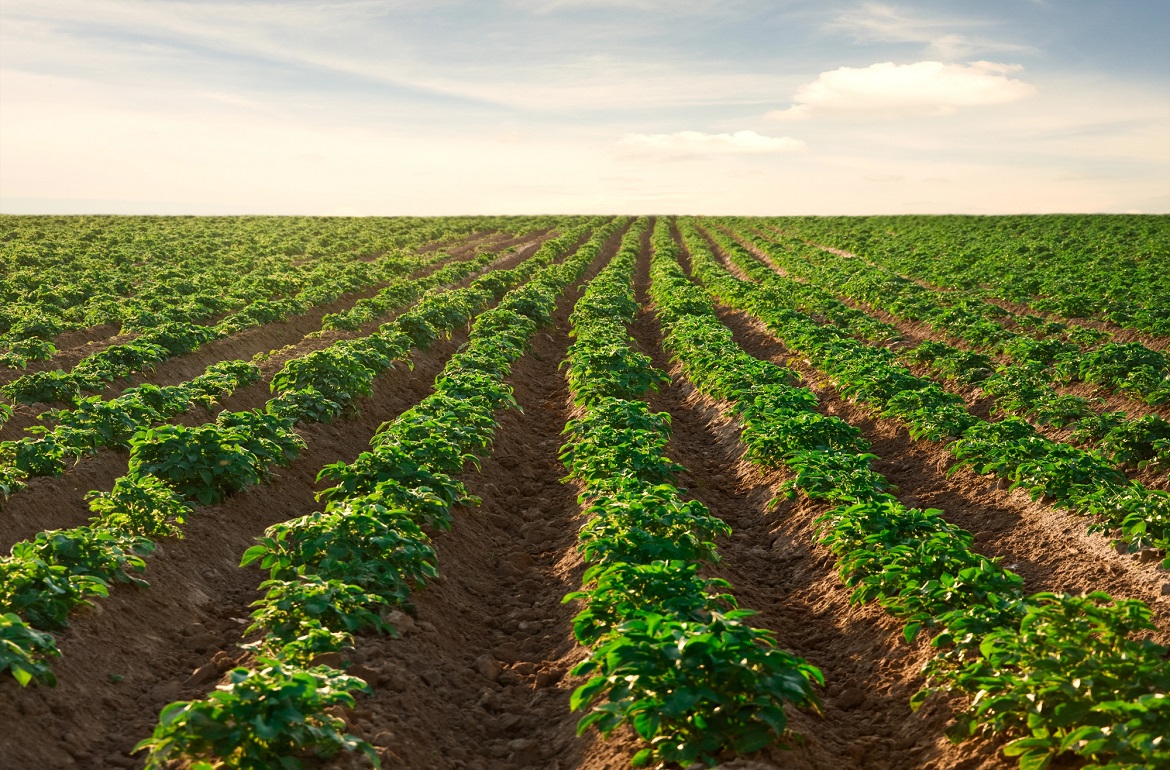
The agronomic layer behind your grower programs
Food companies, processors, exporters, input suppliers, and agribusinesses are increasingly responsible for what happens in the field – even when they do not directly manage the farm.
They need growers to improve productivity, reduce input waste, manage water better, adopt more sustainable practices, document field activities, and meet buyer or certification requirements. The problem is that these goals often stay at the policy, procurement, or sustainability level. They are not always translated into practical agronomic guidance that fits the crop, region, season, and grower reality.
Cropaia helps agribusinesses and food companies build the agronomic layer behind their grower programs – technical consulting, crop-production methodology, training, and practical frameworks for fertilization, irrigation, crop protection, soil management, regenerative agriculture, and field-level decision-making.
When agronomy becomes a business constraint
Agricultural organizations often invest in sustainability programs, grower engagement, digital tools, input optimization, or supply-chain improvement before the agronomic methodology is clear.
This creates predictable problems:
- Growers receive general recommendations not specific enough for their fields
- Sustainability targets are not translated into practical crop-management actions
- Fertilizer, irrigation, and crop-protection practices vary widely across regions
- Field teams lack a common technical framework
- Agronomic data exists, but not interpreted correctly
- Programs become difficult to scale when agronomic logic varies across regions, teams, or suppliers
Cropaia works at this level: the point where agronomic expertise, field reality, and business objectives must be aligned.
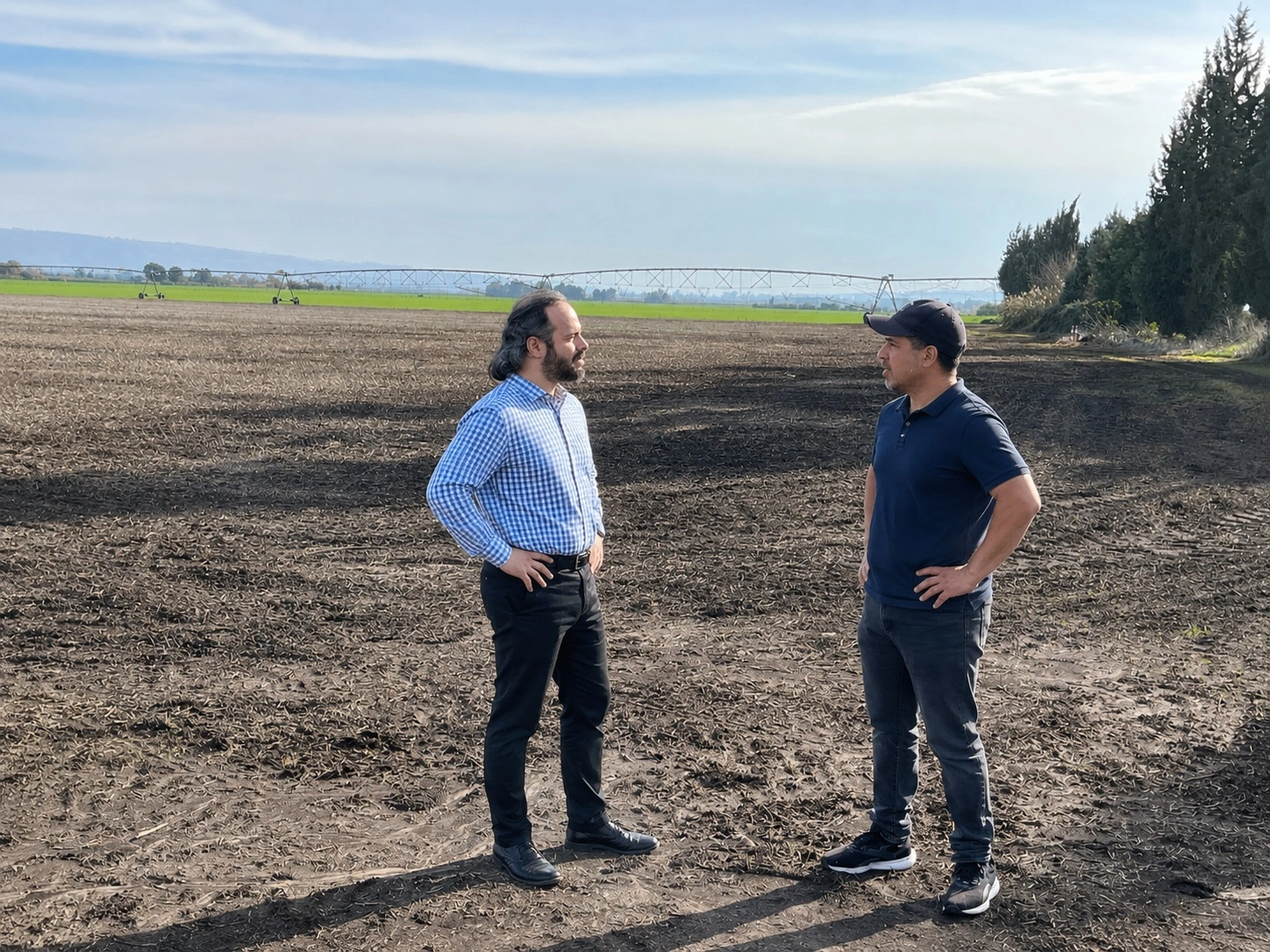
Our Consulting Services
Specialized services designed to align agronomic expertise, field reality, and business objectives across your operation and grower network.
Agronomic Performance Audit
A structured review of current crop-production practices, technical assumptions, field data, and agronomic constraints – covering fertilization, irrigation, crop-protection, soil data, yield gaps, and grower-support workflows. The objective is to identify where performance is being limited and where improvement efforts should be prioritized.
Crop-Production Protocols
Practical protocols for fertilization, irrigation, crop protection, soil management, scouting, and seasonal decision-making. Designed according to crop requirements, production system, local constraints, available inputs, water quality, soil conditions, grower capacity, and business objectives -not generic manuals.
Grower Program Design
Design of grower-support programs that include agronomic content, technical workflows, training structure, decision points, documentation requirements, and practical implementation steps. Relevant for programs focused on productivity, quality, fertilizer efficiency, water-use efficiency, regenerative agriculture, or compliance.
Regenerative Agriculture & Sustainability Frameworks
Practical sustainability programs grounded in agronomy: soil health, crop rotation, residue management, water management, nutrient efficiency, biological activity, reduced input waste, and field-level documentation. We connect sustainability targets to what can actually be done in the field.
Technical Training for Field and Grower-Support Teams
Practical training programs on fertilization, irrigation, crop protection, soil and water interpretation, regenerative agriculture, field monitoring, and crop-specific decision-making. The objective is to improve the quality and consistency of technical decisions across your organization and grower network.
Technical Due Diligence & Project Review
Technical review of agricultural projects, production plans, crop feasibility, agronomic claims, input strategies, and field-level risks – before investing in a crop project, sustainability initiative, technology, biological product, irrigation program, or grower-support model.
Who This Service Is For
Cropaia works with organizations where agronomic decisions affect quality, productivity, sustainability, and supply reliability.
Food and Beverage Companies
For companies sourcing crops from growers, cooperatives, or supplier networks, agronomy directly affects supply reliability, quality, input efficiency, sustainability claims, and procurement risk. Cropaia helps define practical agronomic programs for your grower base – crop-specific protocols, fertilizer and irrigation strategies, regenerative agriculture practices, grower training, and field-level documentation requirements.
Agribusinesses and Input Companies
Input companies and agribusinesses often need stronger technical positioning, better grower-support content, and more structured agronomic programs. Cropaia helps develop crop-specific technical programs, training materials, field protocols, product-use frameworks, and practical guidance usable by sales teams, technical teams, distributors, and growers.
Processors, Exporters, and Production Groups
Processors, exporters, and production companies need consistency across farms, suppliers, and production regions. Cropaia supports these organizations with agronomic audits, production-risk assessments, protocol design, technical training, and decision frameworks for improving crop performance, input use, and production reliability.
Sustainability, Procurement & Technical Teams
Cropaia helps connect functions through practical agronomic methodology, so that programs are technically sound and usable in the field. This includes aligning sustainability targets, procurement requirements, innovation programs, and grower-support operations.
Why Cropaia
What makes Cropaia different from a generalist agronomy consultant or a software platform with support staff.
50+ countries, wide range of production systems
Experience across tropical and temperate crops, irrigated and rainfed systems, smallholder networks and large commercial operations. Recommendations are grounded in field experience – not generic frameworks applied from a distance.
The full agronomic picture
Nutrition, irrigation, crop protection, soil health, sustainability, and technology – and how they interact. Most agronomic consultants work in one discipline. We connect the disciplines that are fragmented in most operations, because that’s where the real gaps are.
Both the protocol and the field
Designing a good protocol is one thing. Getting it adopted consistently across a grower network with variable capacity, different languages, and competing priorities is another. We design for both.
You work directly with the expert
Every engagement is handled by Guy Sela. There is no handoff to a junior team after the first call. The expertise you see in the proposal is the expertise you get in the work.
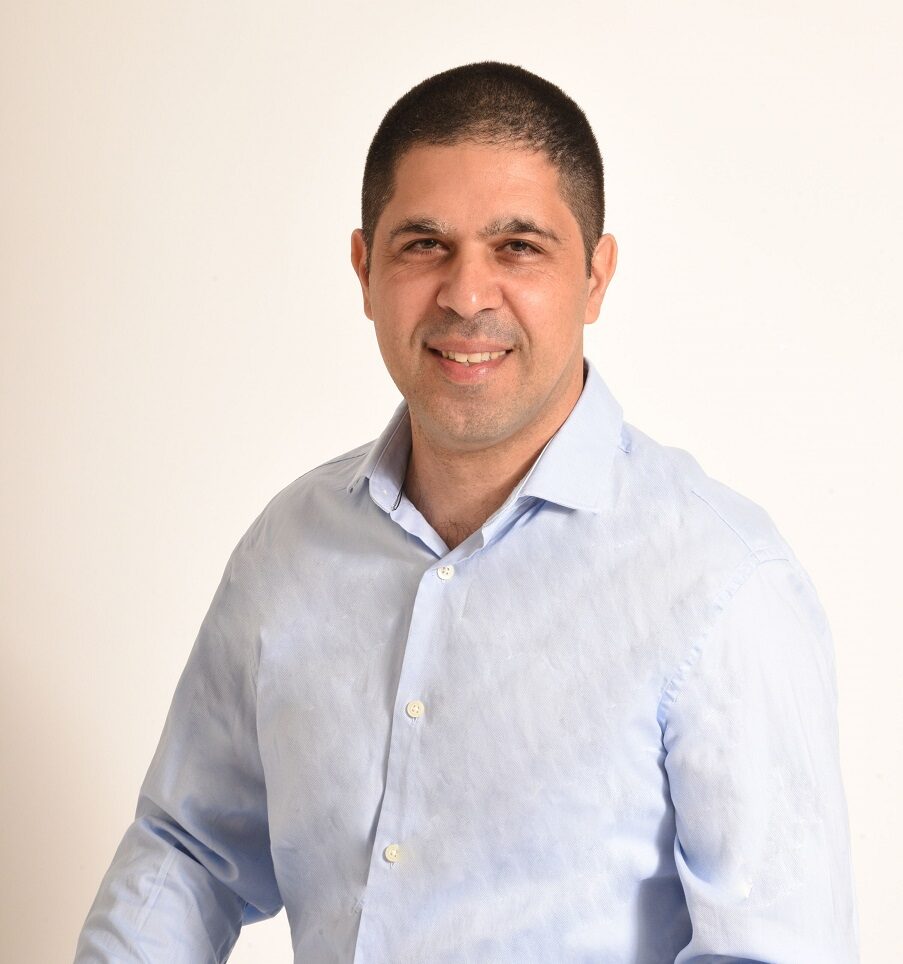
Guy Sela – Founder & Lead Agronomist, Cropaia
20+ years of field experience across 30+ countries. All consulting engagements are handled personally – from the first call through delivery.
Ready to Build a Stronger Agronomic Program?
Tell us what crops and regions are involved, what you are trying to improve, and where the current technical uncertainty is.
Engagements start with a direct conversation – no pitch deck, no generic proposal. We assess whether Cropaia is the right fit and recommend the next step.